
Indigenous Peoples in this country never ceded sovereignty of their land, children, or institutions.
Community Well-Being
Child and Family Law
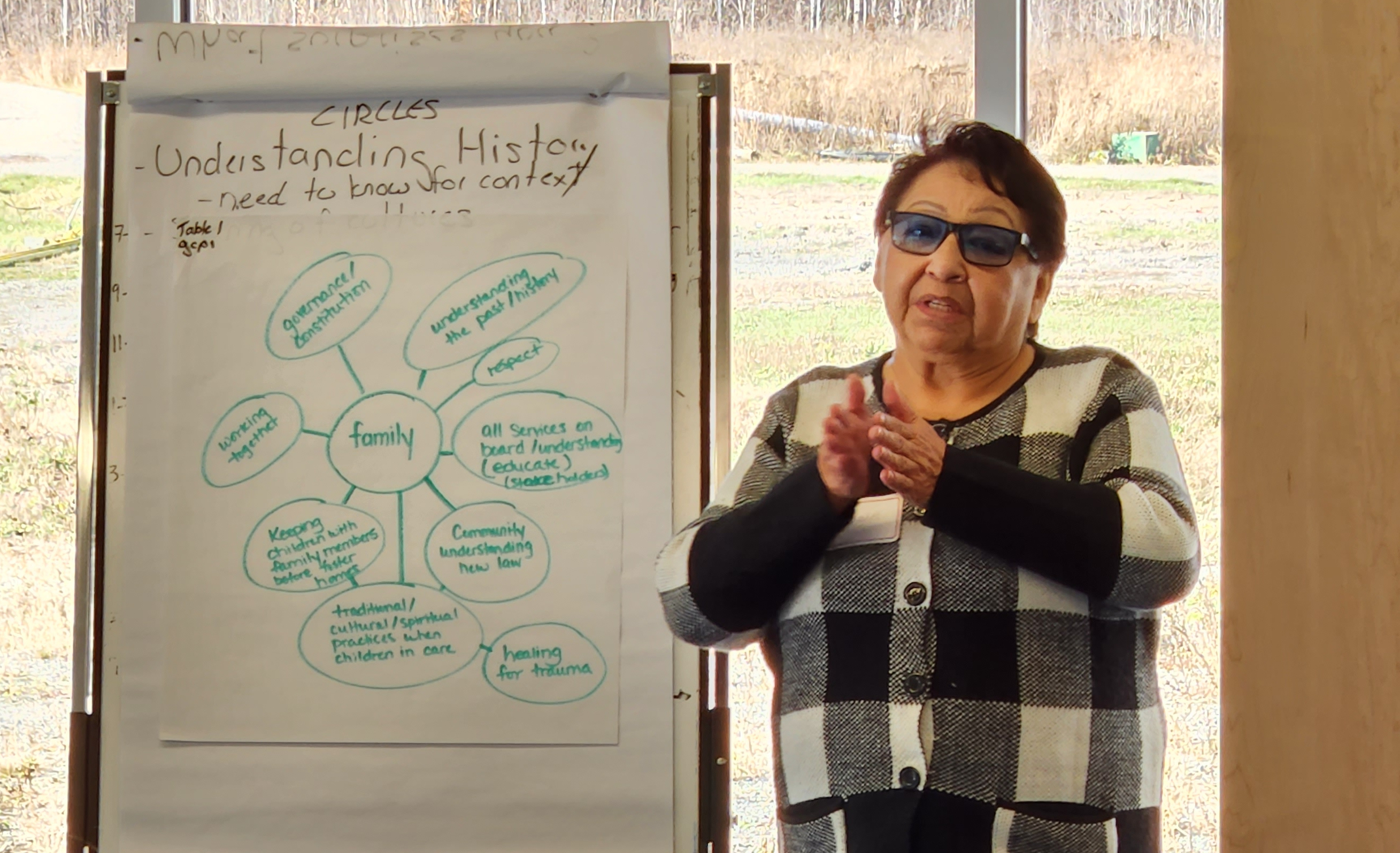
Every First Nation, Inuit, and Métis child should have the opportunity to grow up with their families and in their communities. Communities can take back their inherent rights and authority for child and family services through the creation of their own family law.
We work with communities to enhance the well-being of families. We do this by co-creating and implementing processes that lead to the development of unique community owned family law and practices with supporting prevention and early intervention services.
Bill C-92: “An Act respecting First Nations, Métis and Inuit children youth and families.” federal legislation affirms the rights and jurisdiction of Indigenous people to create their own family law. We have developed a unique framework to advance self-determination in family and children’s services that can easily be adapted to your community’s unique needs.
Community Visioning
Our strength-based approach to community visioning considers the wisdom of the ancestorial teachings, hopes & aspirations for the future, and identifies concrete measures to monitor success moving forward.
We support communities in planning their development in a way that meets both needs and aspirations in areas such as family well-being, governance, culture and language, education, economy, infrastructure, housing, land, and resources.
Comprehensive Community Planning
Our approach to community planning is a holistic process involving broad community participation.
In seven generations from now what kind of Nation, community and people do you aspire to be? We support communities in planning their development in a way that meets both needs and aspirations in areas such as family well-being, governance, culture & language, education, economy, infrastructure, housing, land, and resources.
Community Partnership and Collaboration
Our collaboration with community is based on Respect, Relevance, Reciprocity, Responsibility, and Relationship building.
“BMG were respectful of the cultural practices in our community, spent time getting to know us and were knowledgeable and insightful. They conducted community engagement from a holistic approach sensitive to the needs of our people”.
Former Chief Robin McInnis
Our engagement practices are purposeful, authentic, participatory, strengths based and respectful. Each engagement is based on unique cultural practices, values and beliefs and represents the rich diversity of traditions.
Transformative Reconciliation
Reconciliation is more than rhetoric, or performative actions; it is a decolonizing process that addresses systemic, structural, and institutional racism.
Our approach to reconciliation involves collaborating with communities to develop comprehensive frameworks for decolonizing their organizations, policies, and practices to reflect community values.
 Indigenous Services